 Stolen Art Dealer
Stolen · 22 October 2026
The Herzog collection and a claim still in court
Heirs of the Budapest collector Mór Lipót Herzog say art was seized in 1944. Their claim against Hungarian museums has crossed Hungarian and US courts since 1999 and is not settled.
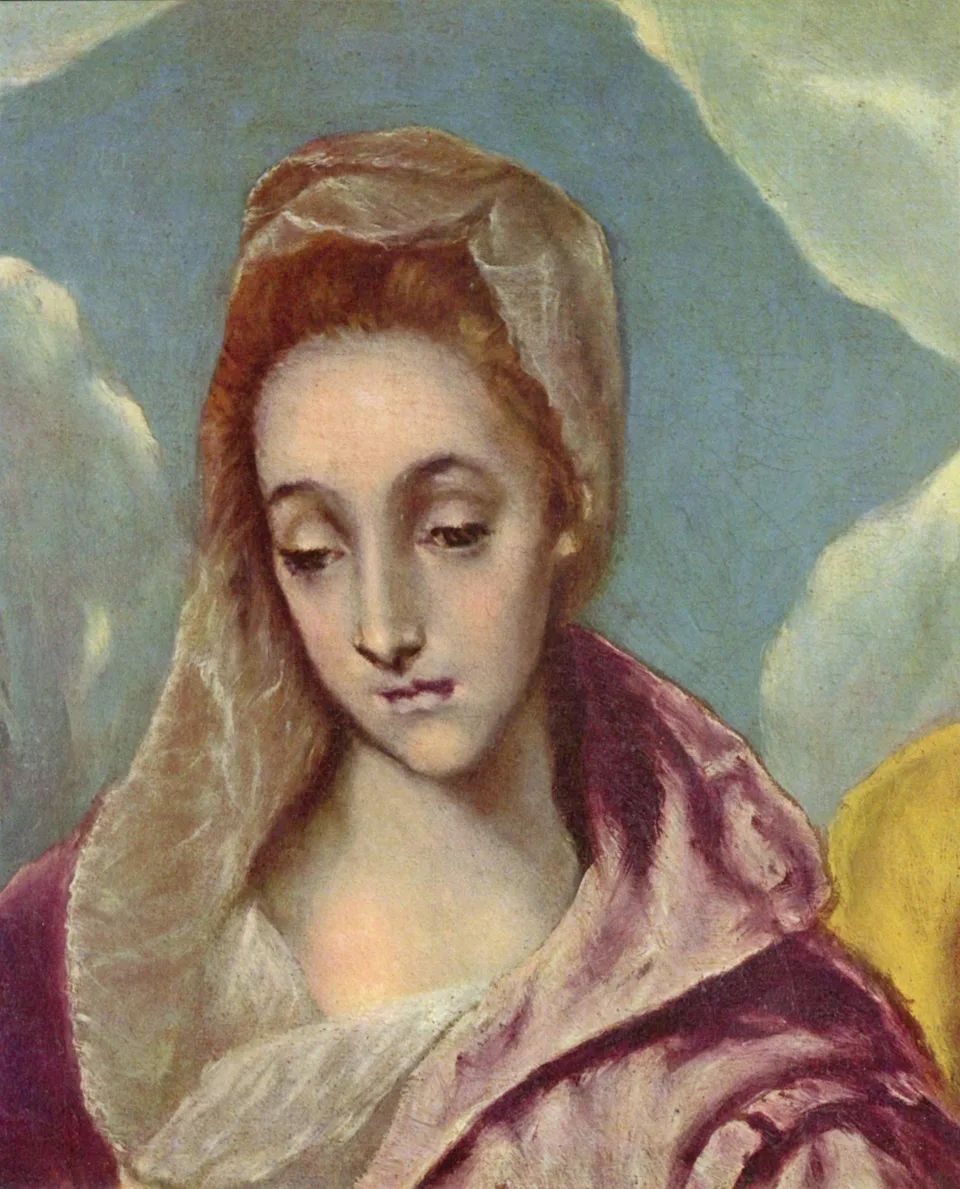
German troops entered Hungary in March 1944. Baron Mór Lipót Herzog, a Jewish banker and collector in Budapest, had died in 1934. He left one of the country’s largest private collections: more than 2,000 paintings, sculptures and other works, by the count of the courts. His daughter Erzsébet and his sons István and András inherited it. What follows about 1944 is the heirs’ account, as US courts recite it. No court has found it as fact.
The heirs say the family hid most of the art in the cellar of a family factory at Budafok, and that Hungarian authorities and Nazi collaborators found it that year. They say it went to the Majestic Hotel, where Adolf Eichmann, named in the allegation as an SS officer, had set up his headquarters. He is said to have chosen many of the best pieces. The rest, they say, went to the Museum of Fine Arts “for safekeeping”. Hungarian court judgments, which the heirs’ site hosts, give a different record. They describe sequestration orders for named works under Decree 1830/1944, which covered art owned by Jews. One was an El Greco, The Holy Family with Saint Anne, sequestered on 11 June 1944.
After the war the family tried to recover the art. Erzsébet became a US citizen in 1952. In 1959 she was paid by the US Foreign Claims Settlement Commission, including for the El Greco. Hungary’s main defences are a 1954 museum decree and a 1973 agreement with the United States, under which Hungary paid a lump sum to settle the claims of US nationals. In February 2011 a Hungarian ministry said the agreement had settled the matter.
The Hungarian courts went first. Erzsébet’s daughter Martha Nierenberg sued in Budapest in 1999. On 20 October 2000 the Metropolitan Court ordered ten paintings returned. On 29 November 2002 the Supreme Court vacated that judgment. On 16 November 2005 the Metropolitan Court ordered one painting returned, the El Greco, and dismissed the rest. On 10 January 2008 the appeal court dismissed the claim in full.
The heirs then sued in Washington in 2010, against Hungarian museums and state bodies. On 1 September 2011 the district court let most of the case go forward. In 2013 and again in 2017 the D.C. Circuit held that the suit was not barred; in 2017 it also dismissed Hungary itself as a defendant. In 2022 it affirmed the addition of a state asset-management company. In 2021, in a different case, Federal Republic of Germany v. Philipp, the Supreme Court held that a state taking its own nationals’ property falls outside the exception that allows such suits. The district court dismissed the case in 2023 and 2024. On 23 January 2026 the D.C. Circuit affirmed, writing that the family had “spent decades seeking redress” and that Congress had not given US courts jurisdiction.
Then the law changed. On 13 April 2026 the President signed the Holocaust Expropriated Art Recovery Act of 2025, which applies to claims on appeal. On 24 July 2026 the D.C. Circuit vacated its January opinion for 26 of the 28 claims and sent them back to the district court. Bloomberg Law reports that two claims stay dismissed. The case is ongoing, and no later ruling has been found.
The Museum of Fine Arts now lists the El Greco as by the workshop of El Greco, on view, with no provenance given. The heirs’ claim is still open.
Sources
- U.S. Court of Appeals for the D.C. Circuit: de Csepel v. Republic of Hungary, opinion (23 Jan 2026)
- U.S. Court of Appeals for the D.C. Circuit: de Csepel v. Republic of Hungary, opinion (8 Mar 2022)
- U.S. Court of Appeals for the D.C. Circuit: de Csepel v. Republic of Hungary, opinion (20 Jun 2017)
- U.S. District Court for the District of Columbia: de Csepel v. Republic of Hungary, opinion (1 Sep 2011)
- Metropolitan Court of Budapest: judgment on the Herzog paintings (16 Nov 2005), hosted on hungarylootedart.com
- Bloomberg Law: report on the D.C. Circuit order reviving the Herzog heirs' claims (24 Jul 2026)
- Transnational Litigation Blog: report on the 2025 HEAR Act and the Herzog case (2 Sep 2026)
- Museum of Fine Arts, Budapest: record for the Holy Family with Saint Anne
- MTI via HVG: report on the Hungarian ministry statement on the Herzog heirs (16 Feb 2011)