 Stolen Art Dealer
Stolen · 22 October 2026
The Vienna Rothschild collections: seized 1938, sold 1999
Seized in Vienna in March 1938, the Rothschild collections were held back after the war, returned by Austria in 1998-99 and sold at Christie's London on 8 July 1999.
On 12 March 1938, during the Anschluss, Germany’s annexation of Austria, Baron Louis Rothschild was stopped at Aspern airfield near Vienna. The next day he was arrested at his residence. On 14 March the Gestapo, the Nazi secret police, sealed his palace and the palace of Alphonse Rothschild. Alphonse and his wife Clarice had moved to Switzerland in 1937 and were in London. The Austrian Art Restitution Advisory Board, a government body, records these dates.
The Reich confiscated the assets under a regulation of 18 March 1938. On 22 March the director of Vienna’s city museum inspected Alphonse’s palace. He counted about 10,000 objects worth about 20 million schillings, without the stamps and jewels. Louis was held by the Gestapo for more than a year. Alphonse arranged his release from abroad, and Louis left in May 1939 for the United States. Alphonse died in 1942. Clarice was his sole heir.
The collections did not come home at once. After the war, Austria’s Federal Monuments Authority released the objects only against “donations” to Austrian museums, as the condition for export permits for the rest. Clarice filed her claim in 1947. The Advisory Board counts over 250 objects given this way. A summary by the Commission for Provenance Research counts 207 donations and 70 long-term loans. The two counts measure different things. Clarice later wrote that she agreed “with a heavy heart”.
In 1998 Austria passed the Art Restitution Act, dated 4 December. The Art Newspaper reports that Bettina Looram, Alphonse’s elder daughter, rang the culture minister’s office in early 1998. On 11 February 1999 the Advisory Board unanimously recommended returning the objects. It held that the gifts fell under the new law. Sources disagree on the date of the return: Les Echos says November 1998, and JTA says February 1999. They also disagree on the number of objects, 230 or about 250.
The heirs chose to sell. A Christie’s spokeswoman said they no longer had houses to hold the collection. Christie’s sold it in London on 8 July 1999. The Independent reports 218 lots sold, for 57,716,497 pounds, more than double the hoped-for sum. One catalogue listing counts 224 lots. The reports do not say whether the total includes the buyer’s premium. The Rothschild Prayerbook fetched about 8.5 million pounds, and a Riesener commode 7 million pounds.
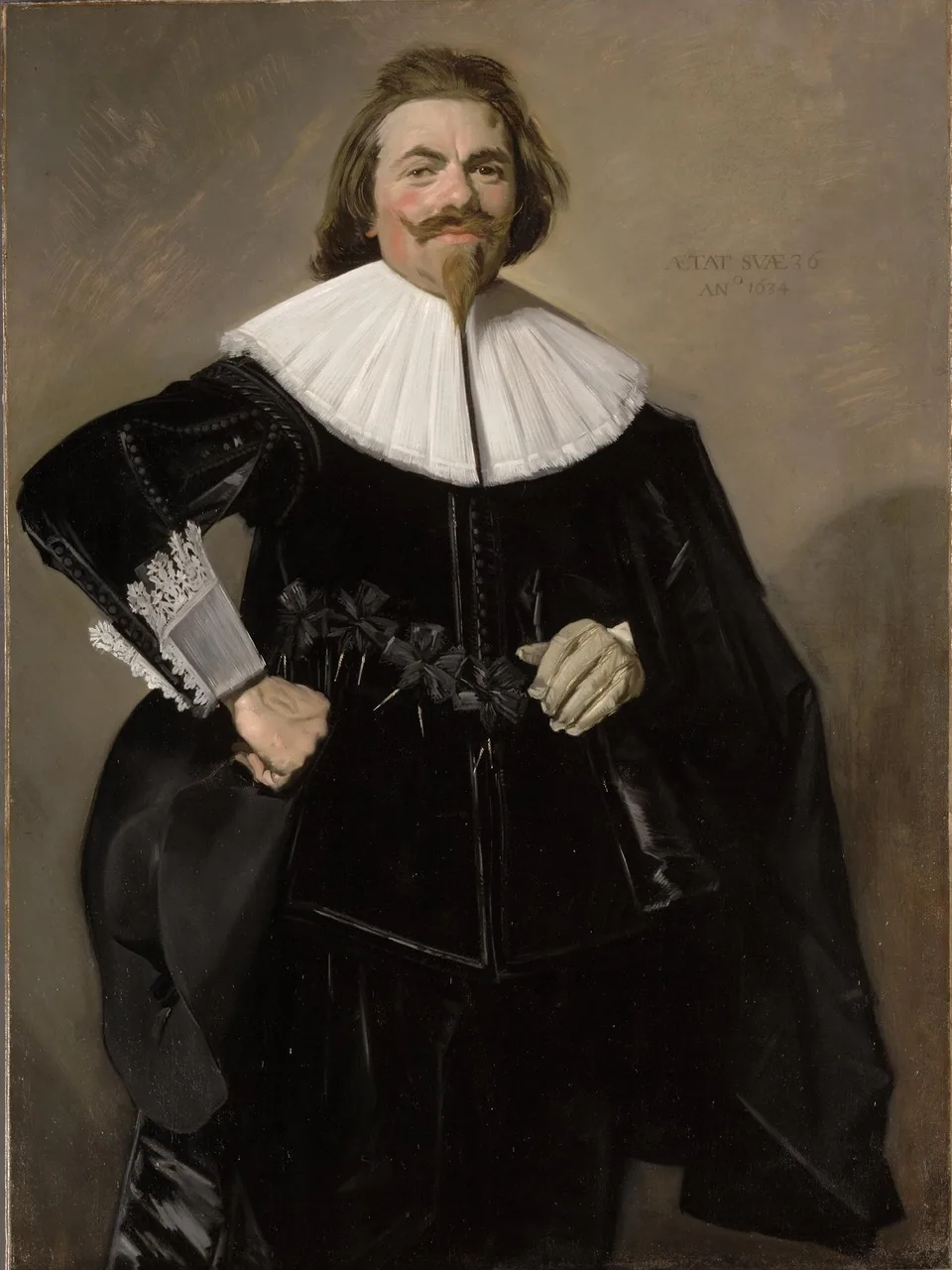
The Frans Hals portrait of Tieleman Roosterman, painted in 1634, made 8.2 million pounds. Its path shows the whole story. A Rothschild picture by 1911, it was taken in 1938, stored in the Altaussee salt mine, and handed to the Austrian government in May 1946. From 1947 to 1999 it hung in Vienna’s Kunsthistorisches Museum as one of Clarice’s “donations”. The Cleveland Museum of Art bought it at the 1999 sale, and it is still there.
Sources
- Austrian Art Restitution Advisory Board: decision on Alphonse and Clarice Rothschild (30 March 2022)
- Austrian Art Restitution Advisory Board: decision on Clarice and Louis Rothschild (11 February 1999)
- Commission for Provenance Research: summary on the Rothschild collection (undated)
- The Independent: report on the Rothschild sale at Christie's (9 July 1999)
- JTA: report on the Rothschild sale at Christie's (11 July 1999)
- The Art Newspaper: obituary of Bettina Looram (1 January 2013)
- Les Echos: report on the Rothschild sale at Christie's (July 1999)
- Cleveland Museum of Art: provenance of Portrait of Tieleman Roosterman, 1999.173 (undated)